Address
Orile-Iganmu, Lagos, Nigeria
Work Hours
Monday to Friday: 9AM - 5PM
Weekend: By Appointment
Address
Orile-Iganmu, Lagos, Nigeria
Work Hours
Monday to Friday: 9AM - 5PM
Weekend: By Appointment

IT for the common Man
 ByMzeal01
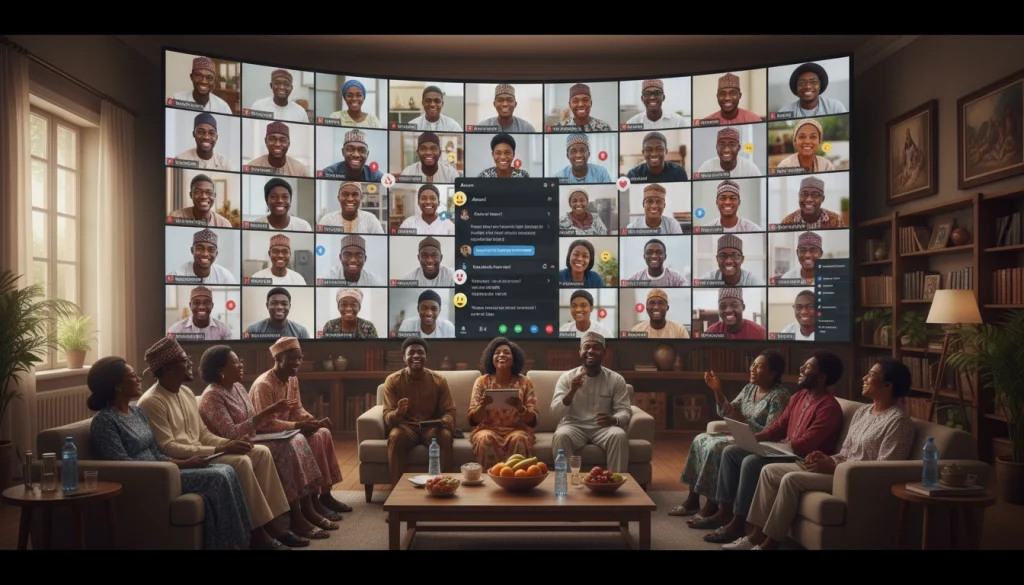
In an era defined by rapid technological advancement, the sacred space of worship and spiritual outreach is undergoing a profound transformation.
As we move through 2026, the traditional methods of evangelism are being powerfully augmented by digital tools, creating what can be aptly described as “the digital altar”.
This evolution is not merely about replacing the essence of faith; rather, it focuses on expanding its reach. Furthermore, it aims to deepen engagement and encourage community in ways that were previously unimaginable.
From the bustling cities of Lagos to remote villages, technology is breaking down geographical barriers and opening new avenues for spiritual connection.
This article explores five significant ways technology is enhancing evangelism, making faith more accessible, interactive, and impactful for a global audience.
The advent of high-speed internet and sophisticated streaming platforms has revolutionised how religious organisations connect with their congregations and beyond. Live streaming services allow individuals to participate in worship, sermons, and spiritual gatherings from anywhere in the world, transcending physical limitations.
This has been particularly impactful, especially for those who are homebound, traveling, or living in areas that lack local access to their preferred faith community. Consequently, it has provided them with much-needed support and connection. On-demand archives of sermons, teachings, and devotional content provide flexibility, enabling individuals to engage with spiritual messages at their convenience, fostering continuous learning and reflection.
This digital accessibility ensures that spiritual nourishment is always within reach, turning personal devices into portable altars.
Technology has, therefore, created vibrant digital spaces where believers can not only connect but also share and grow together. Consequently, this happens regardless of their physical location. Interactive online communities, forums, and social media groups dedicated to faith-based discussions provide platforms for fellowship, prayer requests, and mutual support. These digital gathering places allow individuals to ask questions, explore theological concepts, and find encouragement from a diverse global community.
This fosters a sense of belonging and shared purpose, replicating and even enhancing the communal aspects of traditional worship. These platforms are particularly vital for younger generations who are accustomed to digital interaction and seek authentic connections online.
The proliferation of digital Bibles, devotional apps, and faith-based educational tools has transformed personal spiritual practices. These applications offer features such as multiple translations, search functions, daily devotionals, journaling capabilities, and personalised reading plans.
They make sacred texts more accessible and interactive, allowing users to delve deeper into scripture, track their spiritual journey, and receive daily inspiration directly on their smartphones or tablets.
This personalisation of spiritual growth caters to individual needs and preferences, making it easier for believers to integrate faith into their daily lives and engage with religious teachings in a dynamic and meaningful way.
Technology has empowered religious organisations to create and disseminate rich multimedia content that captivates and educates. Beyond traditional sermons, churches and ministries are now producing high-quality videos, podcasts, animated stories, and visually engaging infographics that explain complex theological concepts or share inspiring testimonies.
Platforms like YouTube, Spotify, and even TikTok are becoming powerful tools for evangelism, allowing faith leaders to reach new audiences with creative and culturally relevant content.
This method harnesses the impact of visual and auditory storytelling to deliver spiritual messages engagingly and unforgettably, deeply connecting with a generation that predominantly absorbs information through digital platforms.
Artificial intelligence is beginning to play a supportive role in optimising various aspects of ministry, from outreach to administration. AI-powered tools can help religious organisations analyse demographic data to understand their communities better and tailor outreach programmes more effectively.
Chatbots can provide instant answers to frequently asked questions about services, events, or beliefs, freeing up staff for more personal interactions. AI can also assist in content creation, generating sermon outlines, social media captions, or even personalised prayer messages.
While AI will never replace the human element of faith, it can significantly enhance the efficiency and reach of ministry efforts, allowing leaders to focus more on spiritual care and less on administrative burdens. This strategic use of AI ensures that resources are maximised for evangelistic impact.
If your church is prepared to build its “Digital Altar,” then here is the minimum hardware and software you will need in 2026:
| Component | Purpose | Recommendation |
| Camera | Visual Clarity | A PTZ (Pan-Tilt-Zoom) camera or a 4K mirrorless camera. |
| Audio Mixer | Sound Quality | A digital mixer with USB output for clean audio streaming. |
| Encoder | Broadcasting | Software like OBS Studio or a hardware encoder for stability. |
| Internet | Connectivity | Minimum 10 Mbps upload speed (fibre or 5G recommended). |
| Website | Digital Home | A professional .org or .ng site for resources and info. |

In 2026, technology is not merely a tool but an integral part of the evangelistic landscape. From live streaming services that connect global congregations to AI-powered administrative support, digital innovations are providing unprecedented opportunities to share timeless spiritual messages with a modern world.
The “Digital Altar” represents a dynamic fusion of ancient faith and cutting-edge technology, enabling religious organisations to expand their reach, deepen engagement, and foster vibrant communities that transcend geographical boundaries. By embracing these technological advancements responsibly and creatively, faith leaders can ensure that their message continues to resonate, inspire, and transform lives in an increasingly interconnected world.
The future of evangelism is undoubtedly digital; consequently, those who adapt to this change will lead the way in shaping a more spiritually connected global society.
Would you like to learn how to use AI automation? Contact Mzealtek today to get started.